

This week’s podcast with Nate & Zach is all about discussing the very complex history of Brazilian fight styles beyond the carefully curated Gracie family business narrative on display at the early UFC events and the marketing of nascent MMA in the US and Japan.
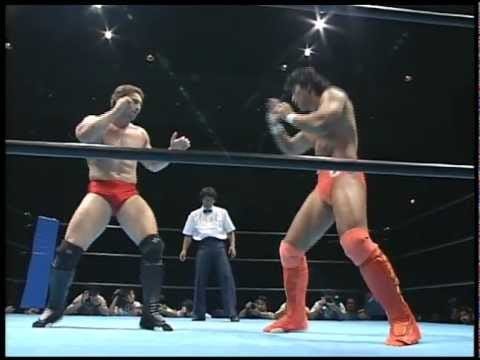
As the UFC became more popular in the United States and the Gracies transitioned to Vale Tudo Japan & PRIDE, many fighters and hardcore fans began learning about the genealogy of Brazilian martial arts. As Zach noted in our most recent Ken Shamrock podcast article, most Japanese fight fans were familiar with Masahiko Kimura — the judoka who beat Helio Gracie in 1951.
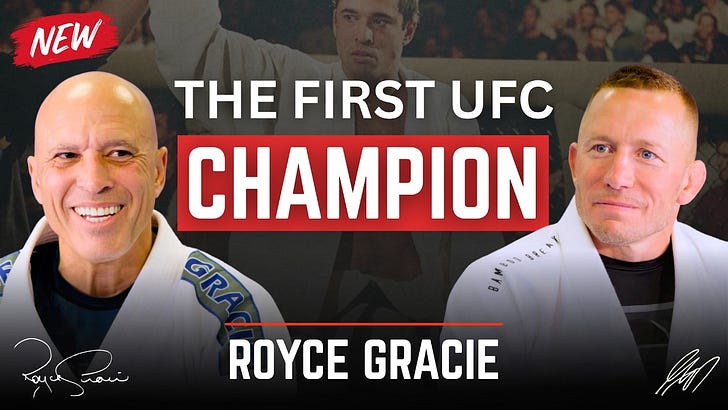
However, Japanese fans were well aware of Kimura because of a double-cross involving Rikidozan in 1954 that forever changed Japanese fight sport history. Helio and Kimura would be key icons in the marketing story behind the Kazushi Sakuraba vs. Royce Gracie 2000 Pride marathon match at the Tokyo Dome.
But that’s a story for another day; we’ve got a lot of history to catch up on.
Long before the UFC, there was a battle in Brazil for the heart and soul of fight sport. There were multiple Gracie family branches with competing interests. The Gracies were closely aligned with various right-wing government administrations.
Catch wrestling (known in Brazil as Luta Livre), judo, Capoeira, Muay Thai, and other styles were confronted by elite BJJ talent. Sometimes winning, sometimes losing.
There were also internal BJJ rivalries that captured fans' attention, like the Gracie family feud with their star pupil, Waldemar Santana, who beat Helio and then lost to Carlson.
But when Luta Livre competitors learned judo, they became a real threat to Gracie BJJ, and stars like Euclydes “Tatu” Hatem and later Ivan Gomes dominated the sport.
But the problem in Brazil throughout the 20th century was the failure to extend past short-term spectacles. A few matches a decade would capture popular attention, but then the fad would pass.
It was all too much freak show, too little sport.
The one-year lifespan of the Gracie’s Vale Tudo TV show Heróis do Ringue from 1959-1960 was typical. Initial strong ratings imploded when a submission hold broke an arm on live TV and the whole thing got canceled.
The battle exploded again in the 1980s when Rickson Gracie established public dominance. First in his fights against Casimiro de Nascimento Martins aka Rei Zulu, and second in his videotaped beach confrontation with Luta Livre leader Hugo Duarte. The real target was Marco Ruas, but Ruas wanted weeks to train and Rickson already had a ticket purchased to follow his brother Rorion to Hollywood.
The irony of Ruas becoming UFC champion at UFC 7 after Royce Gracie exited the UFC was rather thick.
The elites vs. the working class. Generations of tradition vs. cross-training in multiple disciplines. When you go back in time and look at what happened in Brazil in the 20th Century, it truly was the melting pot of combat sports and immigration.
It all traces back to Kanō Jigorō, the founder of judo, who sent students like Mitsuyo Maeda to the Western Hemisphere to challenge catch wrestlers on the carnival circuit that ranged from Alaska to Brazil.
This week’s edition of the Mad Squabbles MMA show goes in-depth on much of the Brazilian fight history that has been revealed to the English-speaking world in the last 10 years and how new archival information changed the narrative of what was truly evolving in fight sport.
The key fighting event this week’s podcast is based on was a 1991 Gracie BJJ vs. Luta Livre 3-on-3 event called Desafio. It was the war to settle the score.
Luta Livre lost that day, but Marco Ruas and other multi-disciplinary fighters would make sure that Vale Tudo would soon rule the MMA world. It didn’t take very long before the next generation of monsters from Chute Boxe would dominate in PRIDE and thrill hundreds of thousands of spectators with legendary performances still talked about to this day.
We’ll be back to talk about the entry of freestyle wrestlers like Dan Severn, Mark Coleman, and Mark Frye in our next historical episode.
Ways to listen to the Mad Squabbles (MMA Draw) podcast
For our paid subscribers — please update your podcast feeds so that you never miss the latest edition of the Mad Squabbles (MMA Draw) podcast.
You can check out The MMA Draw Podcast on Substack via the following feeds:
Nate Wilcox is Editor-in-Chief of The MMA Draw. He founded BloodyElbow.com in 2007 and sold it in 2024.
Zach Arnold is a lead opinion writer for The MMA Draw on Substack. His archives can be read at FightOpinion.com. Contact Zach: fightopinion at protonmail dot com.